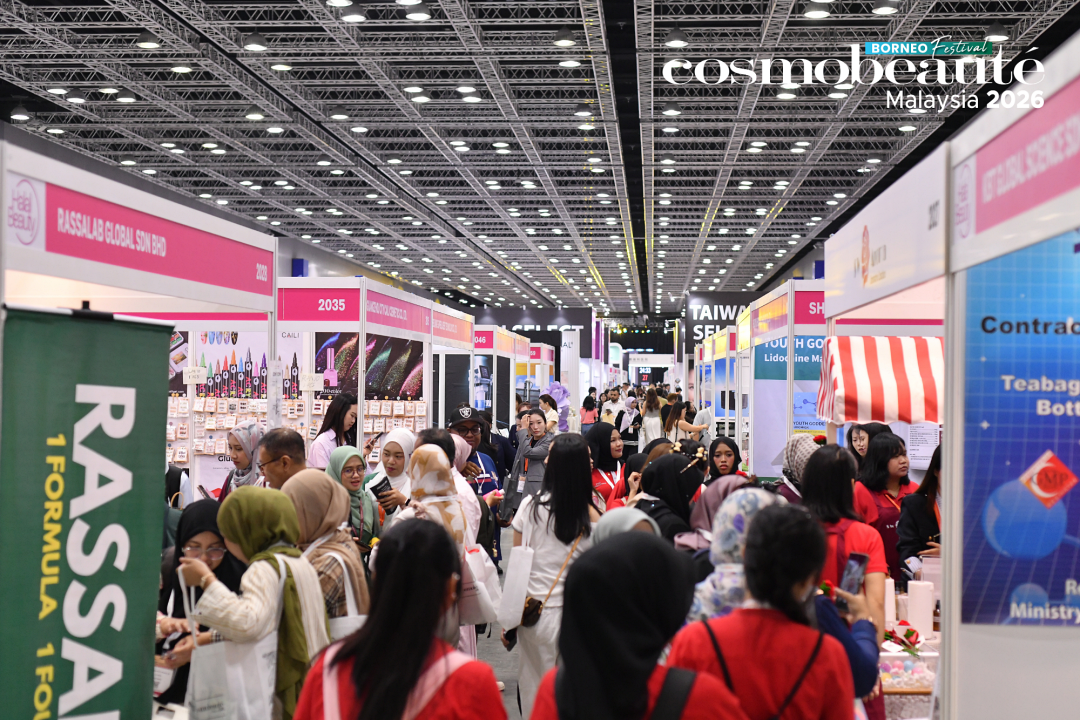
BUSINESS Events (BE) have the potential to function as strategic economic tools that the government and industries can use to stimulate growth, attract investments, strengthen industries and build long-term capacity, said Sabah Convention Bureau (SCB) Chief Executive Officer Noreda Othman.
“Unlike leisure tourism, which focuses on visitor volume and spending, BE is driven by intentional economic outcomes—knowledge transfer, trade development, reputation building, and policy alignment,” she stated during the Sabah Business Event Bootcamp.
A broader category of BE includes meetings, incentive groups, conferences, congresses, conventions and international exhibitions collectively known as MICE (Meetings, Incentives, Conferences, Exhibitions).
She explained that one of the most immediate contributions of BE is direct economic impact, as conferences and conventions generate spending across multiple sectors – hotels, transportation, food and beverage, event services, logistics and local suppliers.
“This spending is typically higher-value than leisure tourism because delegates stay longer, spend more per day, and often travel on business budgets,” she clarified.
In terms of industry development, Noreda said that BE helps deepen expertise and strengthen local value chains through attracting conferences aligned with key sectors such as agriculture or healthcare.
“For example, hosting an international agricultural conference does more than bring delegates. It connects local farmers, researchers, and policymakers with global best practices, new technologies and research collaborations.
“This can lead to improvements in productivity, innovation, and sustainability, directly supporting economic diversification and resilience,” she added, which facilitates economic growth through aligning local strengths and global demands.
Additionally, Noreda highlighted that BE helps destinations preserve their reputation, showcasing real progress, innovation and sustainability through international platforms instead of being defined by outdated perceptions.
She also said BE accelerates knowledge transfer and skill development, emphasising that international conferences bring global experts into direct contact with local professionals, enabling learning that would otherwise take years to access.
“This continuous learning strengthens human capital across sectors — doctors become better practitioners, engineers stay current, entrepreneurs learn new models, and policymakers gain global insights,” she said.
The difference between BE and tourism, she said, is that BE offers a more sustainable, long-term impact.
Without discrediting the tourism industry’s significant contribution to the economy of the State, she explained that BE creates opportunities for economic growth and industry development, focusing on building a legacy that can benefit future generations.
“In short, BE are facilitators, not endpoints. They enable trade, investment, innovation, reputation building, and collaboration. They align economic aspirations with global opportunities and transform short-term gatherings into long-term economic outcomes.
“When strategically planned and well-facilitated, BE becomes a cornerstone of sustainable economic growth — benefiting not just one sector, but the entire ecosystem, today and for future generations,” she said.