


Advertisement
SPONSORED CONTENT
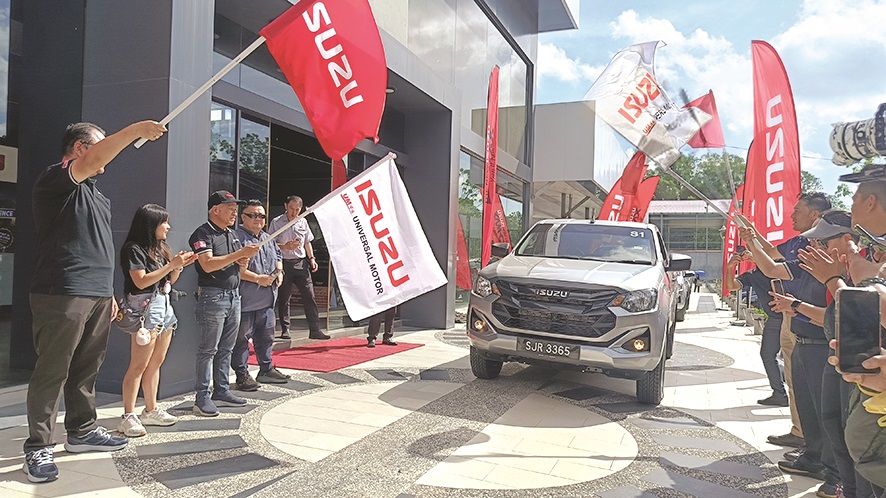
The 2026 D-MAX also introduces an 8-speed automatic gearbox with sequential shift across the range, including the Single Cab variant, making it the first pick-up truck in Malaysia to offer an automatic transmission in that body style.
Advertisement
.jpg) Travellers are often bound by traditional three-hour check-in windows, which can lead to terminal congestion as passenger numbers surge. To change this, KKIA has launched an Early Check-In and Early Baggage Drop programme for Malaysia Airlines flights.
Bags can now be dropped off before the standard 3-hour window for same-day flights. Behind the scenes, ground handlers securely store the luggage until it is time to load, while Flight Information Display Systems (FIDS) automatically update eligible flights.
Travellers are often bound by traditional three-hour check-in windows, which can lead to terminal congestion as passenger numbers surge. To change this, KKIA has launched an Early Check-In and Early Baggage Drop programme for Malaysia Airlines flights.
Bags can now be dropped off before the standard 3-hour window for same-day flights. Behind the scenes, ground handlers securely store the luggage until it is time to load, while Flight Information Display Systems (FIDS) automatically update eligible flights.
Advertisement
.jpg) By implementing dynamic lane zoning and repositioning traffic marshals, vehicle drop-off times have been slashed from 145 seconds to just 70 seconds. The once-busy kerbside now boasts a smoother vehicle flow and much greater utilisation of the primary drop-off lanes.
This philosophy of "flow" continues inside the terminal. Penang has completely reimagined the international passenger security screening experience, with the process broken down into three highly intuitive zones:
By implementing dynamic lane zoning and repositioning traffic marshals, vehicle drop-off times have been slashed from 145 seconds to just 70 seconds. The once-busy kerbside now boasts a smoother vehicle flow and much greater utilisation of the primary drop-off lanes.
This philosophy of "flow" continues inside the terminal. Penang has completely reimagined the international passenger security screening experience, with the process broken down into three highly intuitive zones:
- The Awareness Zone: Clear visual guides and prep tables with liquid disposal bins help you get ready before you even reach the main line.
- The Engagement Zone: Extended 18-foot tables to speed up tray turnaround times.
- The Enforcement Zone: The actual screening area has been optimised with extended output rollers and repacking tables, so you would not feel rushed while putting your shoes back on.
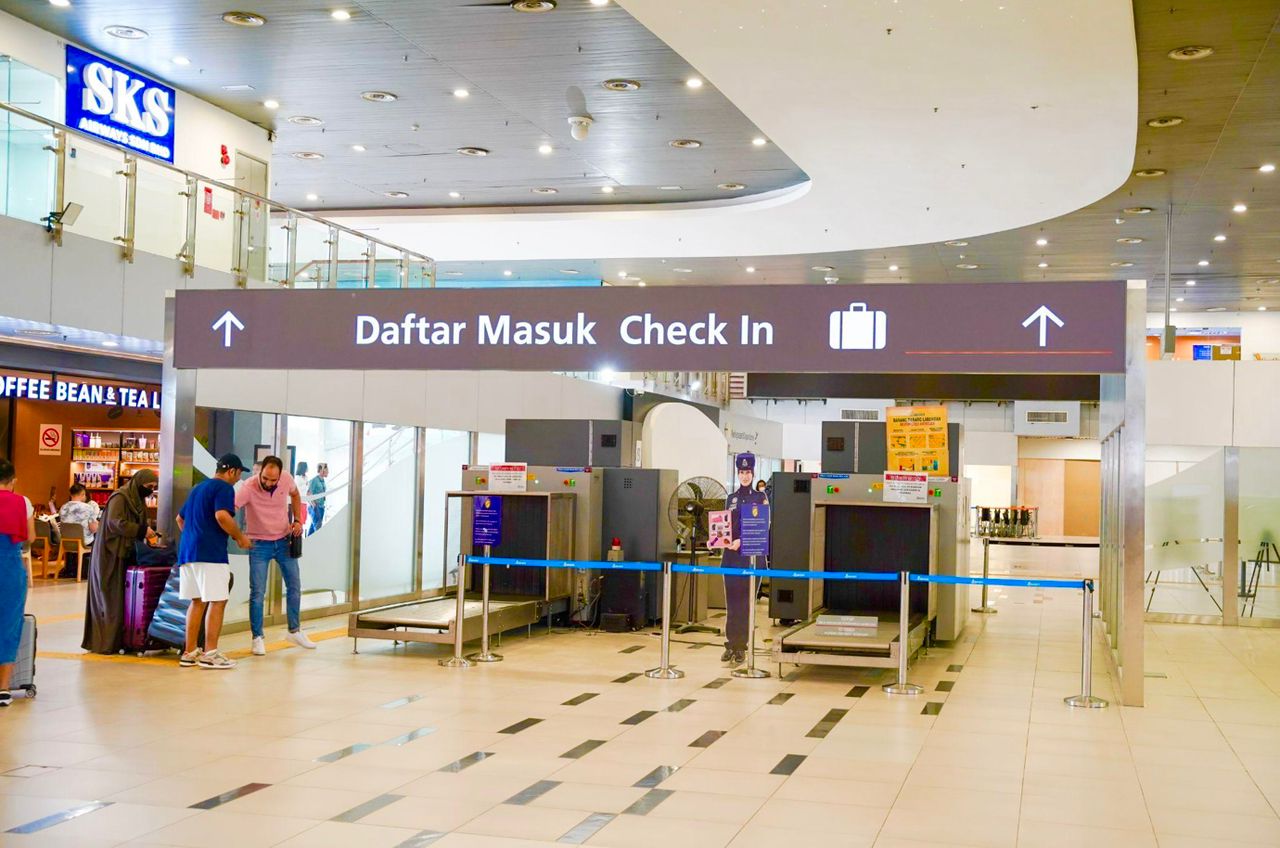 Inside the terminal, Subang is undertaking a major upgrade to its Hold Baggage Screening system, relocating it to the back end of the check-in area, with completion targeted later this year.
This enhancement will improve passenger flow while removing obstructive walls, restoring visibility to retail spaces and delivering a dual benefit of stronger security and a more open, seamless terminal environment.
The Strategy Behind the Upgrades
These efforts are all part of a broader effort by Malaysia Airports to enhance operations across its network. Through a series of targeted upgrades, the airport operator is investing in improvements that strengthen both the passenger experience and operational standards.
By piloting solutions at selected airports such as PEN, KKIA, and SZB, Malaysia Airports is able to test new approaches in live environments, measure results, and refine processes before rolling them out more widely.
The smoother kerbside flow in Penang, the enhanced baggage experience in Kota Kinabalu, and the operational upgrades in Subang are early examples of how these improvements are taking shape across the network.
Shaping the Future Airport Experience
The momentum behind these upgrades is only just beginning. Armed with rich data from these successful pilot programmes, Malaysia Airports is preparing for a massive scale-up.
Between 2026 and 2030, these perfected models for security throughput, kerbside decongestion, early baggage drops, and digital optimisation will roll out across the entire network, reaching airports in Langkawi, Kuching, Miri, Bintulu, Tawau, and beyond.
By placing equal emphasis on passenger delight and uncompromising aerodrome standards, Malaysia Airports is helping shape the future of travel. The airport does not have to just be a place you transit through, but a joyful connection in your journey.
Inside the terminal, Subang is undertaking a major upgrade to its Hold Baggage Screening system, relocating it to the back end of the check-in area, with completion targeted later this year.
This enhancement will improve passenger flow while removing obstructive walls, restoring visibility to retail spaces and delivering a dual benefit of stronger security and a more open, seamless terminal environment.
The Strategy Behind the Upgrades
These efforts are all part of a broader effort by Malaysia Airports to enhance operations across its network. Through a series of targeted upgrades, the airport operator is investing in improvements that strengthen both the passenger experience and operational standards.
By piloting solutions at selected airports such as PEN, KKIA, and SZB, Malaysia Airports is able to test new approaches in live environments, measure results, and refine processes before rolling them out more widely.
The smoother kerbside flow in Penang, the enhanced baggage experience in Kota Kinabalu, and the operational upgrades in Subang are early examples of how these improvements are taking shape across the network.
Shaping the Future Airport Experience
The momentum behind these upgrades is only just beginning. Armed with rich data from these successful pilot programmes, Malaysia Airports is preparing for a massive scale-up.
Between 2026 and 2030, these perfected models for security throughput, kerbside decongestion, early baggage drops, and digital optimisation will roll out across the entire network, reaching airports in Langkawi, Kuching, Miri, Bintulu, Tawau, and beyond.
By placing equal emphasis on passenger delight and uncompromising aerodrome standards, Malaysia Airports is helping shape the future of travel. The airport does not have to just be a place you transit through, but a joyful connection in your journey.


