


Advertisement
SPONSORED CONTENT

The 2026 D-MAX also introduces an 8-speed automatic gearbox with sequential shift across the range, including the Single Cab variant, making it the first pick-up truck in Malaysia to offer an automatic transmission in that body style.
Advertisement
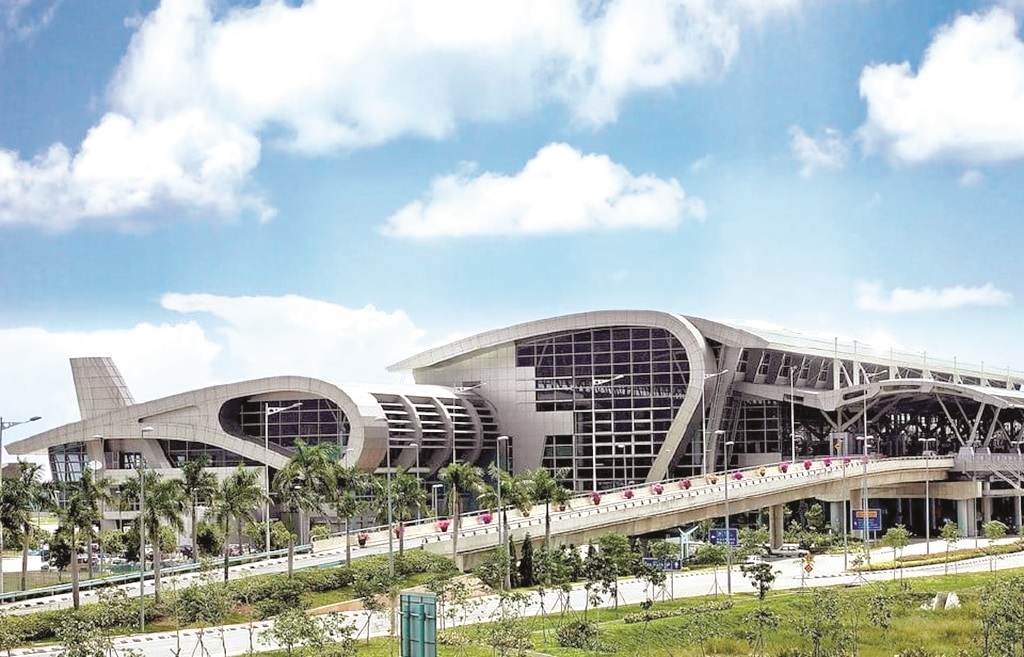
A recent view of Kota Kinabalu International Airport (KKIA).
Advertisement
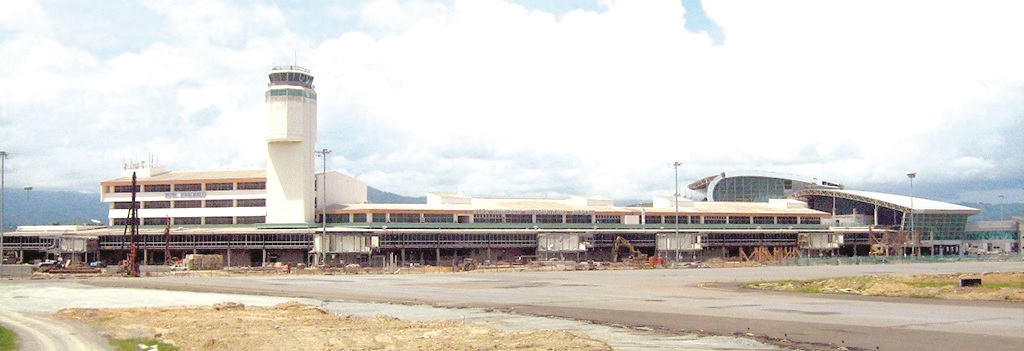
Old view of Kota Kinabalu International Airport (KKIA).
Airports have also seen remarkable improvements. Kota Kinabalu International Airport (KKIA), the second busiest airport in Malaysia, has undergone major upgrades to accommodate international flights, boosting tourism and trade. Engineering expertise was critical in expanding runways, modernizing terminals, and enhancing air traffic control systems. Bridges and Ports: Strengthening Trade and Connectivity Sabah’s reliance on maritime trade necessitated the development of world-class ports and bridges. Sepangar Bay Container Port, for instance, has expanded significantly, allowing for larger cargo volumes and boosting trade with regional markets. Engineering professionals have played a vital role in port dredging, expansion, and modernisation projects. Bridges like the Sungai Kinabatangan Bridge, the Sitompok Bridge and the Beaufort Bridge have enhanced connectivity between remote regions, promoting trade and economic activities. The role of engineers in designing resilient and flood-resistant structures has been crucial in ensuring their longevity. Energy and Power Generation: Lighting Up Sabah Hydroelectric and Renewable Energy Projects Sabah’s energy landscape has transformed over the decades, thanks to engineering advancements in power generation. Initially dependent on diesel-powered stations, the state gradually diversified its energy mix, integrating hydroelectric and renewable energy sources. The Tenom Pangi Hydroelectric Power Station, commissioned in the 1980s, was a major milestone in Sabah’s energy independence. Engineering professionals designed and implemented this project, providing sustainable and cost-effective electricity to thousands of households. More recently, solar and biomass energy initiatives have gained traction. Engineering experts have worked on solar farms and bioenergy plants, reducing Sabah’s dependence on fossil fuels. The state’s push toward renewable energy aligns with global sustainability goals, showcasing the vital role engineers play in reducing carbon footprints. Rural Electrification and Grid Expansion Rural electrification has been a major engineering challenge in Sabah. Many remote communities lacked access to electricity, hindering economic activities. Engineering professionals have led grid expansion projects, installing transmission lines across difficult terrains and integrating microgrid solutions for off-grid villages. Water Supply and Sanitation: Ensuring Public Health and Economic Growth Access to clean water and sanitation is fundamental for economic growth and public well-being. Engineering professionals have contributed to major water supply projects, ensuring that urban and rural areas have access to safe drinking water. The Babagon Dam and Moyog water supply scheme are one of Sabah’s largest water supply projects, was a remarkable engineering achievement, providing water security for Kota Kinabalu and surrounding areas. Engineers played a critical role in the dam’s design, construction, and environmental impact assessment, ensuring sustainability. Sabah’s wastewater management systems have also improved over time. Sewage treatment plants in urban centres have been upgraded to handle increased demand, preventing environmental pollution and protecting marine ecosystems. Engineering expertise has been instrumental in these developments, contributing to public health and economic stability. Telecommunications and Digital Infrastructure: Driving the Digital Economy In the digital age, engineering professionals have been at the forefront of developing Sabah’s telecommunications infrastructure. From traditional telephone lines to modern fibre-optic networks, engineers have played a key role in expanding connectivity across the state. The National Fiberisation and Connectivity Plan (NFCP) has significantly improved internet access in Sabah, especially in rural areas. Telecommunication engineers have worked on installing 4G towers, satellite networks, and fibre-optic cables, enabling e-commerce, online education, and digital banking. The rise of smart cities and 5G technology presents new opportunities for Sabah. Engineering professionals continue to innovate, integrating IoT (Internet of Things) solutions, AI-driven traffic management, and automated surveillance systems into urban planning. These advancements will further propel Sabah’s digital economy. Industrial Development and Manufacturing: Engineering Economic Growth Engineering has been a key driver in Sabah’s industrialization efforts. The establishment of industrial parks such as the Kota Kinabalu Industrial Park (KKIP), SOGIP and POIC has attracted local and international investors, fostering job creation and economic diversification. Engineers have been involved in designing factories, optimizing manufacturing processes, and ensuring compliance with safety and environmental standards. The palm oil industry, a major contributor to Sabah’s GDP, has benefited from engineering innovations in refining, waste management, and automation. Conservation and Sustainable Engineering Practices AS economic development accelerates, environmental sustainability has become a priority. Environmental engineers in Sabah have pioneered conservation projects, balancing economic growth with ecological protection. The Heart of Borneo (HoB) initiative, aimed at preserving Sabah’s rainforests, has seen engineers develop eco-friendly infrastructure that minimizes deforestation. Sustainable building designs incorporating green technology have also gained prominence in urban areas. Disaster resilience, climate adaptation Sabah faces challenges such as floods and landslides, necessitating disaster-resilient engineering solutions. Engineers have designed flood mitigation systems, such as the KK flood mitigation scheme, to protect communities from natural disasters. Additionally, coastal protection projects have been implemented to counter rising sea levels and erosion. Engineering expertise in climate adaptation has helped safeguard Sabah’s economy and communities from environmental risks. Engineering Education and Human Capital Development The growth of engineering in Sabah has been supported by educational institutions and professional bodies such as the Institution of Engineers Malaysia (IEM) Sabah Branch. Engineering faculties at universities such as Universiti Malaysia Sabah (UMS), University College Sabah Foundation (UCSF), Politeknik KK & Sandakan, Institut Kemahiran Mara Kota Kinabalu have produced skilled professionals and technologists, ensuring a steady supply of talent for the state’s development. Continuous professional development programs, engineering conferences, and collaborations with international experts have further enhanced the competency of Sabah’s engineers. These initiatives ensure that engineering professionals remain at the cutting edge of technological advancements. Conclusion Since gaining independence in 1963, Sabah’s economic progress has been deeply intertwined with engineering advancements. From transportation and energy to telecommunications and environmental sustainability, engineers have been the backbone of the state’s development. As we celebrate World Engineering Day on March 1, 2025, it is important to recognise and appreciate the contributions of engineering professionals in shaping a better future for Sabah. Moving forward, engineers will continue to play a pivotal role in driving innovation, sustainability, and economic prosperity for generations to come. The future of Sabah depends on a strong and dynamic engineering community, ready to tackle challenges and embrace new opportunities. With engineering excellence as a guiding force, Sabah is poised for a brighter and more sustainable future.


